


How to conserve water and benefit the environment
Eco-conscious men and women have many options at their disposal when it comes to protecting the environment. One such way is to conserve water.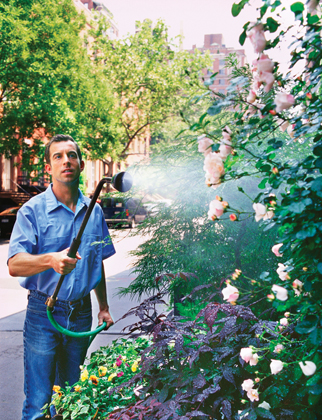
Conserving water can be done in a variety of ways, many of which won't require much effort at all. The following are a handful of ways men and women can conserve water to benefit the environment.
* Upgrade your home's water features. According to the Environmental Protection Agency, toilets, showers and faucets account for two-thirds of all indoor water use. If you haven't upgraded these items in recent years, chances are they're not very eco-friendly. In the past, toilets used between 3.5 to 5 gallons of water per flush. But today's low-flush toilets use 1.6 gallons of water or less per flush, significantly reducing the average home's water consumption.
Older showerheads may also be unnecessarily wasting water. EPA estimates suggest that showers account for roughly 20 percent of total indoor water use. Older showerheads typically consume about 4.5 gallons of water per minute, while newer, low-flow showerheads consume just 2.5 gallons of water per minute. Such showerheads are inexpensive and can drastically reduce your monthly water consumption, helping the environment while saving you money.
* Change your landscaping practices. Homeowners with a green thumb can employ a more eco-friendly approach to tending to their lawns and gardens without sacrificing aesthetic appeal. One way to do so is by watering in the early morning hours or during the evening, especially during the hot summer months. Doing so means less water will be lost to evaporation, which means you won't have to over-water to make up for the water lost to evaporation that's common when a lawn or garden is watered during the hot and humid daylight hours.
How often you cut the grass can also contribute to excessive water consumption. Allowing the grass to grow taller will provide more shade for the lawn's roots. This makes for stronger roots and more water retention in the soil, which translates to less watering.
Another way to conserve water when landscaping to strategically locate plants based on their water needs. Group plants with similar water needs next to one another and, if planting a garden for the first time, look for plants that do not need lots of water to survive. This is especially important for those people who live in regions where temperatures are particularly high during the spring and summer.
* Become more conscious of your water consumption and usage. One of the easiest ways to conserve water is to become more conscious of the various ways in which you waste water on a daily basis. Nearly everyone wastes water, be it running the dishwasher when it's not full or using a washing machine without a variable load control or letting the faucet run continuously while brushing your teeth. When you resolve to conserve more water, take note of the ways you might be wasting water throughout a typical day, and then alter those behaviors to be less wasteful.
Conserving water is essential to protecting the environment. Adhering to a few simple and efficient strategies is all it takes to reduce your daily water consumption, do your part to protect the environment and maybe even save a little money along the way.