


Around The House
Green options for your home
 Private residences consume lots of energy. The Energy Information Administration says that Americans are increasing their electricity consumption at home, with some homes even using more energy than small businesses.
 » Read More
Home building methods face major changes
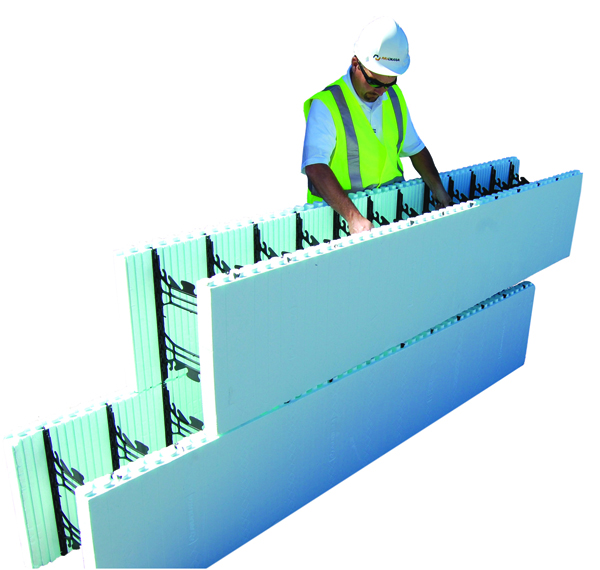
 All across North America, home builders tend to agree that the better real estate investments -- for both the occupant and for future re-sale value -- may be best served by a whole new approach to construction. One major change addressing energy consumption and rising fuel costs is the optional use of an air-tight, solid concrete system to replace inefficient wood framing. Insulated concrete forms (ICFs) erect a building with an interlocking system, similar to Lego.
 » Read More
Choose the greenest builder available
 As building codes enforce tightened minimum standards for eco-responsibility, the more progressive builders are illustrating their own accountability by using and producing materials that are even more efficient than mandated.
» Read More
Responsible building decisions deserve benefits, too
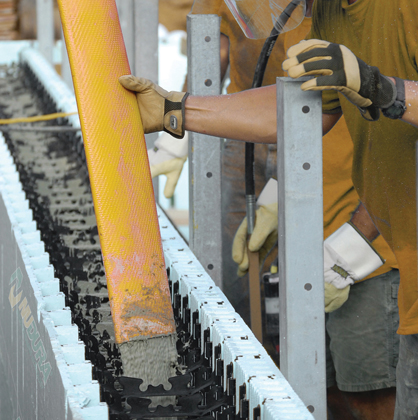 Beauty, spaciousness, interior design -- and every other eye-pleasing esthetic -- are important when building a personal dream home. Today, however, with the reality of energy and environmental concerns, homeowners also insist that the place where they will be living for years on end must be as eco-responsible as possible.
 » Read More
Cost-effective and eco-friendly home improvements
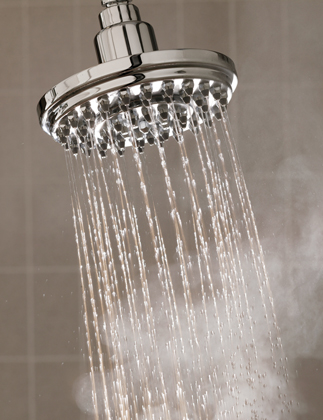 Homeowners take on projects to improve their homes for a variety of reasons. Some may do so to make a home more functional, while others may do so to improve their home's resale value.
 » Read More
Did you know?
According to Going Green Today, an estimated 15 to 30 percent of a home's total heating and cooling energy is lost through poorly sealed ductwork, costing consumers about $5 billion dollars annually.» Read More
Did you know?
Wood stoves have been used to heat up a residence for centuries, but newer models are more efficient and are actually one of the greenest options for radiant heat in a home.» Read More
Air pollution can be indoors, too
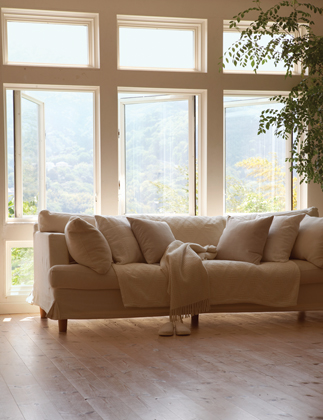 Air pollution is often associated with heavily trafficked highways or industrial areas home to manufacturing plants. But air pollution can occur anywhere, including inside your home.
» Read More
Radon poses a significant health risk
After smoking, nothing causes more cases of lung cancer than exposure to radon, which the Environmental Protection Agency notes is linked to roughly 20,000 lung cancers death a year in the United States alone.» Read More