



Get to the root of tinnitus
Ringing, high-pitched noises and other ambient sounds that seem to be emanating from deep within the ear are often signs of tinnitus, which is generally a symptom of some other medical condition.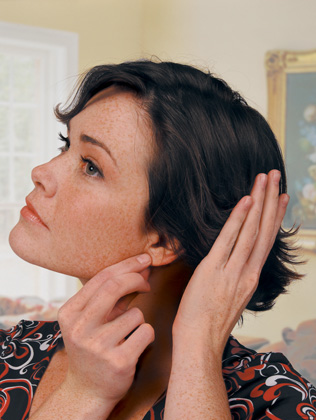
The Mayo Clinic says that one in five people are affected by tinnitus. It may result from age-generated hearing loss, an ear injury, exposure to loud noises, or even a circulatory system disorder. Though not always serious, tinnitus can be very bothersome for the person experiencing it. Understanding what causes tinnitus and the ways to cope with it can provide some measure of relief.
Causes of tinnitus
There are several different factors that can contribute to the onset of tinnitus, though in some cases the actual cause is never identified. Here are the most common conditions that may lead to tinnitus.
* Earwax blockage: Earwax is a natural defense against dirt and bacteria. It is formed to trap these particles and naturally eject them from the ear. Over time an abundance of earwax may form and accumulate, making it hard for it to go away naturally. This may cause pain, hearing loss and irritation of the eardrum. Any one of these factors also may lead to tinnitus.
* Hearing loss: As people age, some measure of hearing loss may take place. Age-related hearing loss, called presbycusis, also may cause tinnitus.
* Ear bone changes: All bones in the body are subject to stiffening or arthritic-like conditions, including inner ear bones. Stiffening of middle ear bones may affect hearing and cause tinnitus. This is a condition that usually runs in families.
* Unprotected exposure to loud noises: Those who have attended a concert or a fireworks display may have walked away afterward with a temporary ringing in the ears. Frequent exposure to loud noises without the use of earplugs or special noise-blocking headsets may cause permanent damage. Even listening to portable music devices may cause tinnitus if played loudly for extended periods of time.
* Other causes: Everything from head and neck injuries, depression, stress, Meniere's disease, and benign tumors forming in the cranial nerve or elsewhere may lead to tinnitus.
Symptoms
Many people think tinnitus only constitutes a high-pitched ringing in the ears. Actually, tinnitus can take the form of ringing, pulsing, a heartbeat sound, buzzing, hissing, roaring, or even clicking. Any noise in the ear(s) constitutes tinnitus.
In many cases tinnitus is something only the person suffering can hear, called subjective tinnitus. In some cases a doctor performing an examination may be able to hear the tinnitus also, called objective tinnitus. This is rare and generally the result of blood vessel problems or an inner ear bone condition.
Treatment options
Tinnitus is often more of a nuisance than a serious health condition. However, prolonged ringing or noise in the ear may affect concentration and sleeping patterns, which can lead to other health problems.
Doctors may be able to diagnose the source of the tinnitus and treat the underlying condition, such as earwax removal, thus reducing the tinnitus. When a source cannot be found, a doctor may recommend a noise suppression device. These white noise generators can distract from the internal noise in the ear.
Changes in medication or use of certain antidepressants or anxiety medications may also reduce the severity of symptoms. However, these may be accompanied by additional side effects.
If tinnitus is overly bothersome or is accompanied by dizziness or pain, consult a doctor.