

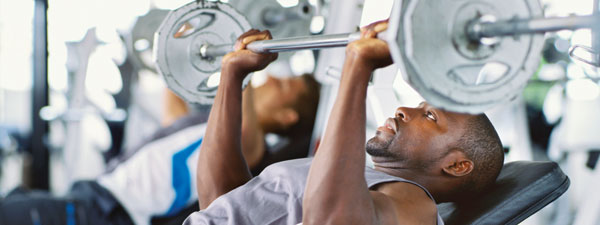

Let caution reign when beginning a new exercise regimen
Exercise is an essential component of any plan to get healthier. Men and women who want to lose weight or change their lifestyles to reduce their risk of falling into poor health know that diet and exercise go hand in hand.
As intimidating as beginning a new exercise regimen can seem, it can also be dangerous, especially when individuals fail to approach physical activity with a degree of caution. Effective, long-lasting results won't come overnight, so there's no reason to throw caution to the wind when starting a new exercise regimen. Patience and prudence should reign at the onset, and there are several precautionary measures to take that can ensure a commitment to a healthier lifestyle starts off on the right foot.
* Speak to a physician. No matter what is motivating you to get healthier, speak to a physician before beginning a new exercise regimen. Your physician will likely want you to get a full physical just to make sure you don't have any existing conditions that might preclude you from certain activities. Part of proceeding with caution is knowing if you have any limitations, and certain health conditions can prove quite the hurdle to an exercise regimen. If the doctor detects any conditions, then the two of you can work together to devise an exercise regimen that's both safe and effective.
Another benefit to visiting the physician is that such a visit might reveal something that won't necessarily preclude you from exercise, but help you gear your regimen toward addressing a certain situation before it progresses to something worse. For example, if the doctor finds you have high cholesterol, he might point you toward a regimen that includes more cardiovascular activity.
* Be patient. Patience is essential when beginning an exercise regimen. Many people grow discouraged if their workout routine doesn't produce jaw-dropping results overnight. But an effective and healthy exercise regimen will gradually produce results, leading to long-term health, as opposed to an overnight fix with minimal long-term effectiveness. When beginning the regimen, do so slowly and allow for gradual progress. As your body grows more acclimated to physical activity, you can begin to challenge yourself more and more, and that's when the results are likely to be most noticeable.
Learning to rest is also part of being patient. The body needs time to recover between workouts, so don't expect to exercise every day at the start. Initially, you should be giving your body at least one day to recover between workouts, and then you can take less time off between workouts as your body grows more acclimated to exercise. Discuss certain dietary tips with your physician to determine if there's anything you can eat after a workout to aid in muscle recovery.
* Work with a professional. Personal training sessions can be costly, but they're also worth it for beginners who have never worked out before or who haven't seen the inside of a gym in a while. Technology is constantly changing, and weight training and cardiovascular machines are included in those changes. You may very well enter a gym and not recognize any of the machines, much less know how to use them. A personal trainer can walk you through these machines and help you tailor your workout to match your goals. Many gyms offer free or discounted personal training sessions to new members, so take advantage of those offers when starting out.
If a personal trainer is simply beyond your budget, then solicit a friend or family member for help, ideally one who works out regularly. This person can accompany you to the gym and act as a spotter or just go with you to make sure you stay committed. The buddy system is highly effective among people hoping to get healthier, so don't be shy to ask for help.
* Focus on form. The right form when performing certain exercises can make all the difference, while poor form can greatly increase your risk of injury. When beginning an exercise regimen, particularly one that involves weightlifting, master the form of each exercise with low weights. At this point in the routine, the primary goal should not be to strengthen your muscles, but rather to master the form of each exercise. Form includes everything from how you breathe during the workout to your posture to how smoothly your body moves during the exercise. Master the form first, even if it means lifting without any weight, before you start focusing on adding more weights and strengthening your muscles.
Caution should reign supreme for men and women beginning a new exercise regimen.